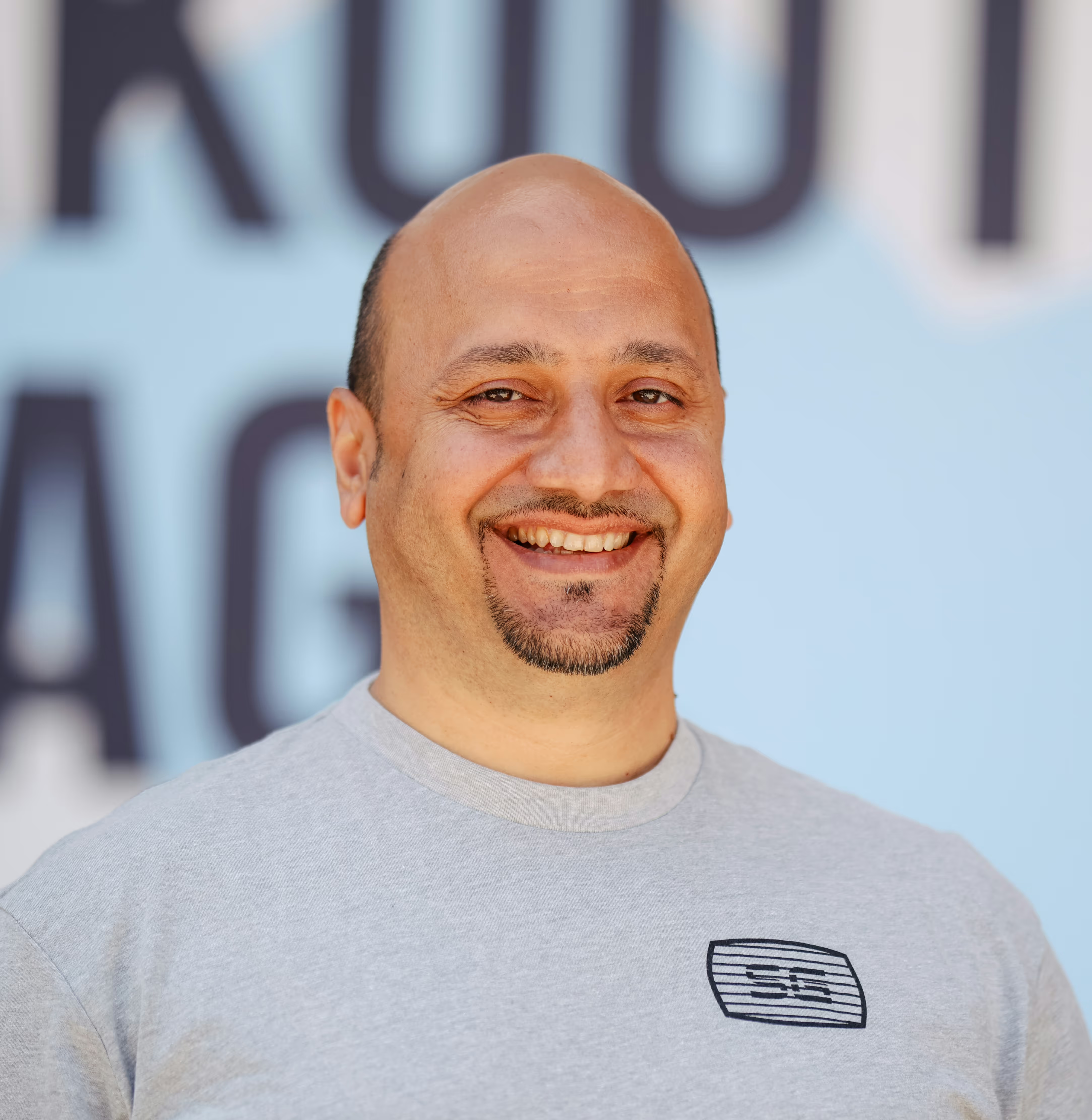
Welcome to The People Behind the Programs, a CMX blog series celebrating the people who bring communities to life around the world.
Today, we meet Amarachi Johnson, Community Operations Manager at Consensys, based in Hollywood, England. Amarachi's journey from front-end development to community management reveals a passion for teaching, mentoring, and creating spaces where developers can thrive.
From discovering a love for sharing knowledge to leading community programs at Consensys, Amarachi's story offers a personal look at the work behind thriving communities. Let's hear their story in their own words.
How It Started
I started my career in tech in 2018 as a front-end web developer intern. Being new to the industry, I was very enthusiastic and eager to learn, so I attended tech events, volunteered at events, and served as an LoC for several events organised by the company I worked for. Along the way, I stumbled into technical writing and started writing as well. I also discovered how much I enjoyed teaching and mentoring others, even while I was still learning myself, and I took every opportunity I could to share what I knew and what I was learning with others.
That eventually led to an opportunity to manage social media for one of the largest open-source festivals at the time, in 2020. After that, the founder of She Code Africa reached out to invite me to join the team as a Community Manager. That was the first time I had heard of community management as a career. I volunteered with She Code Africa for over three years, and that was where I gained foundational knowledge in Community Management.
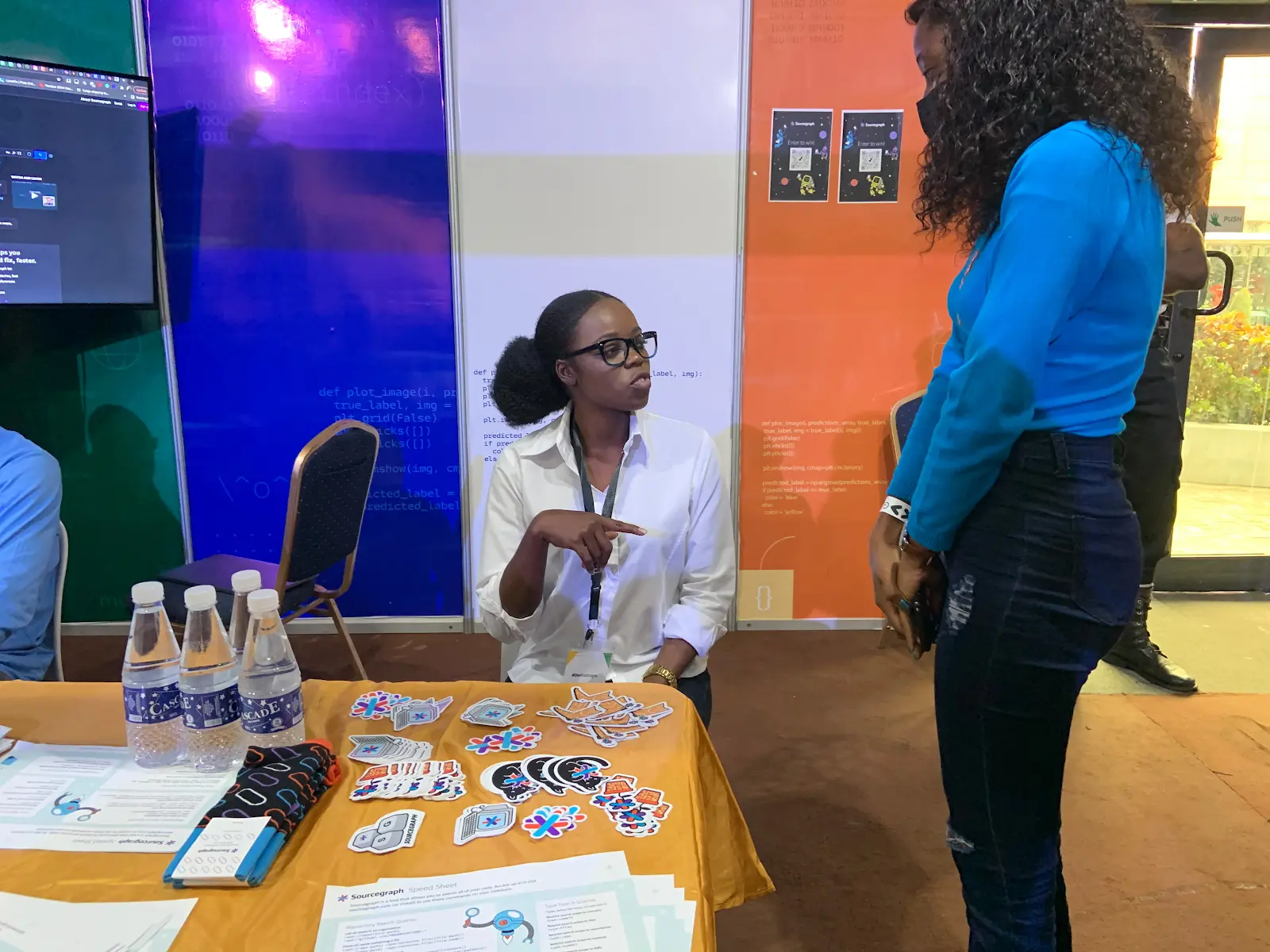
While volunteering, I got my first full-time community management role at Sourcegraph, where I worked for about a year. Around that time, I became curious about blockchain and Web3, which were gaining a lot of attention. I spent time reading and learning about the space, and that led me to join a small team working on an open-source decentralised identity project. I worked with them for about two years before moving to Consensys, where I joined the DevRel team. Today, I work primarily with the MetaMask DevRel team, supporting developers building with MetaMask's developer tools.

A Day in the Life
I work with the MetaMask DevRel team at Consensys, where we support developers building with MetaMask’s developer tools. Our priorities can look a little different from quarter to quarter, depending on the team’s OKRs, but a big part of my role is making sure our developer community programmes run smoothly from start to finish.
I coordinate our online activations, including monthly Developer Community Calls and Office Hours. This involves planning topics, inviting and coordinating speakers, managing calendars, promoting sessions, and making sure everything is in place for each event. I also work with other members of the DevRel team to organise hackathons. My role covers the entire process, from promotion and setting up the programme to coordinating judges, managing timelines, answering participants’ questions, announcing winners, and ensuring prize payouts are completed. There’s quite a bit of coordination and communication involved in making sure everything runs smoothly.
Beyond events, I help maintain our internal documentation, coordinate communication between DevRel and the marketing team, and track and report on the performance of our community activities. I’m always looking at how our programmes are performing and what we can improve. There’s a lot of planning and coordination involved, and I enjoy that my role creates opportunities for developers to learn, build, connect, and engage with the MetaMask ecosystem.
The Tools that Power My Work
My go-to tool is Notion. It might not be a community-building tool in the traditional sense, but it’s a tool that helps me do my job well, and I think that’s just as important. Community management comes with a lot of moving parts, and I believe that how well you organise things behind the scenes eventually reflects in the work you put out, and if you’re not organised internally, it will show in your output.
I use Notion for project management, documentation, keeping track of tasks, and making sure I stay on top of things. It gives me a central place to organise my work and keep track of everything I’m working on. I’ve also found its AI note-taking feature really useful especially when I have meetings related to a project or programme I’m working on. I typically use this feature to summarise the discussion, keep a record for future reference, and identify action points. It makes it easier to turn conversations into actual plans and follow through on them. Notion helps me manage the planning, coordination, and follow-throughs which constitute a large part of my role.
Advice for Newcomers
My biggest advice would be to stay curious and stay flexible. Tech is a fast-paced industry, and there’s always something new to learn. Don’t limit yourself to thinking, “I’m a community manager, so this is all I need to know.” Learn the business side of things, learn the technical side, and familiarise yourself with the terminology of the industries you want to work in. You don’t have to be an expert in everything, but understanding what the people you serve do makes you better at your job.
Something I wish I knew earlier was the value of getting some formal training before learning everything on the job. I learnt a lot through volunteering and figuring things out as I went, which was valuable, but I also made mistakes I might have avoided with the right guidance. I think investing in learning early on, in a course, a book, or other resources, can give you a much stronger foundation.
I’d also encourage anyone starting to find mentors and build relationships with people in the industry. This has helped me a lot. I’ve reached out to community managers I admire for virtual coffee chats to ask questions, learn from their experiences, and build connections. Don’t be afraid to reach out. You’d be surprised how much you can learn from simply having conversations with people. And finally, be patient with yourself. Your first community management role might be one of the hardest to land. You’ll most likely face rejections along the way, but don’t let that discourage you. Keep learning, keep putting yourself out there, and keep building your skills. Sometimes, all you need is that one yes to get started.

Resources I Suggest
My go-to book is The Business of Belonging by David Spinks. It was the first book I read specifically about community management, and it’s still one of my favourites. I’d definitely recommend it to anyone looking to understand community as more than just engagement, and how it can contribute to a business.
Another book I’d recommend is Build Your Community by Richard Millington. It's a book that delves into literally everything you need to build your first community, from the why to the how.
For ongoing learning, I enjoy following Led by Community’s monthly webinars. They’re a great way to learn from other community professionals and hear different perspectives on the work we do. I’ve also curated a GitHub repository with some of my favourite community management resources, so I’d encourage anyone starting to check it out.
💬 Let’s connect on LinkedIn — I’d love to hear from fellow community builders.
💡 The People Behind the Programs is a blog series that shines a light on the community professionals powering impactful programs around the world. Want to share your story or nominate someone doing incredible community work? Submit your spotlight here.
Are you passionate about building communities?
Join the movement, start a CMX Connect chapter in your city or virtually and become a local leader in the global community industry. 👉 Apply to become a chapter director