Welcome to The People Behind the Programs, a CMX blog series celebrating the people who bring communities to life around the world.
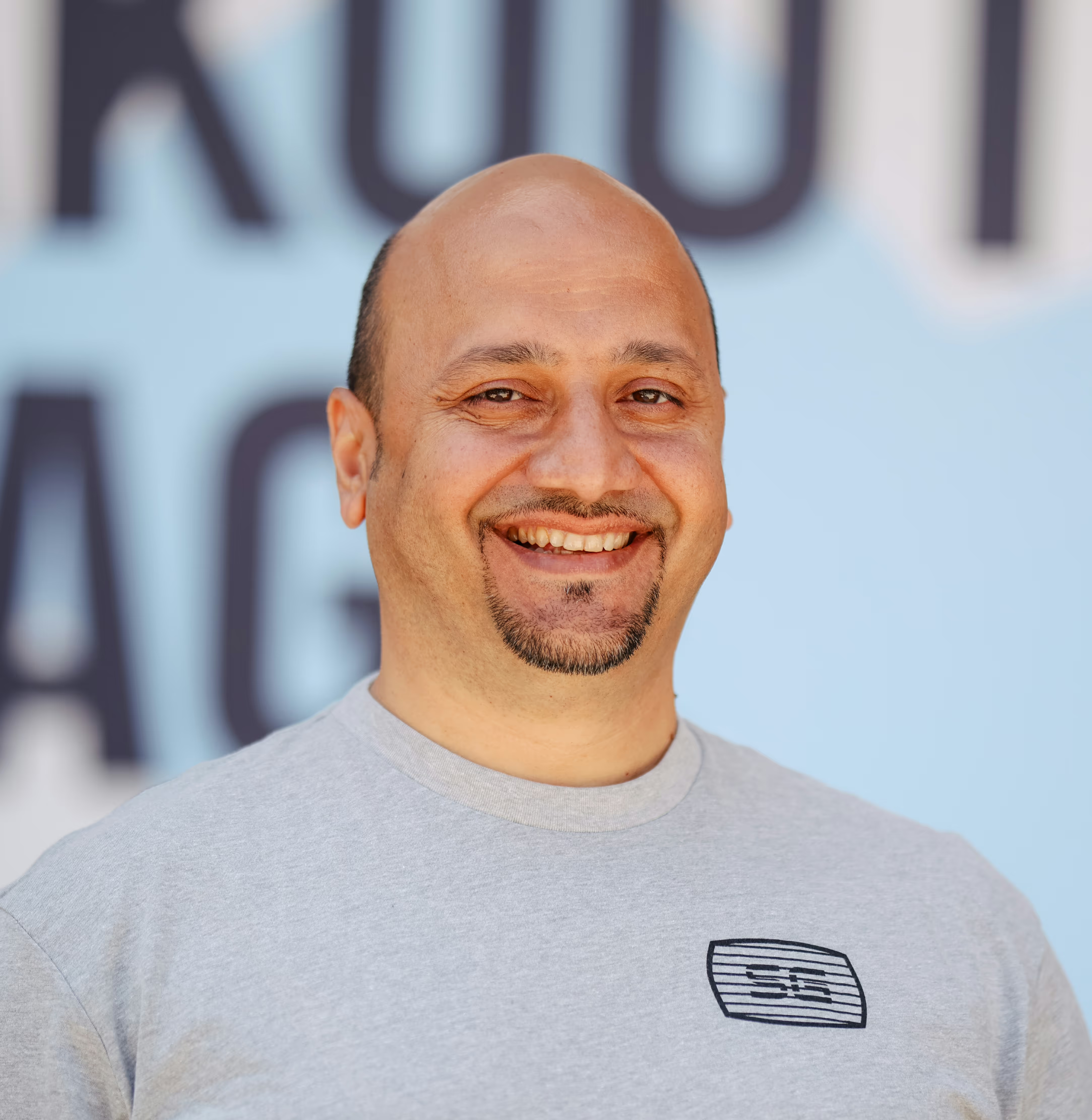
Today, we meet Joshua Zerkel, Enterprise Community Lead at Anthropic, based in San Francisco, USA. With a rich background beyond community spanning tech, television news, and productivity consulting, Joshua is passionate about understanding how people work together and learn from each other.
From discovering a passion for creating connections to leading global community strategies, Joshua's journey offers a personal look at the work behind thriving communities. Let's hear his story in his own words.
How It Started
My career has taken a few turns I probably couldn't have predicted at the beginning. I started in tech, moved into television news, then spent time in productivity consulting and professional organizing before returning to tech full-time at Evernote. Along the way, I became increasingly interested in how people work, how they learn from each other, and what helps them get more out of the tools they use.
At Evernote, I worked across customer education and community, and I found a field that brought together a lot of things I cared about: helping people solve problems, creating opportunities for connection, and building systems that make those experiences sustainable. I was hooked.
That led me to Asana, where I led global community strategy and growing programs that included ambassadors, user groups, events, and an online community of hundreds of thousands of people. It was an opportunity to see what community could accomplish when it was treated as a meaningful part of the business, not just a place for customers to gather.
Since then, I've worked at companies at different stages of growth, including HeyGen and Gradual, and now focus on enterprise community at Anthropic.
Looking back, the throughline isn't a particular industry or job title. It's a longstanding interest in how people work together, learn from each other, and accomplish things they couldn't do as easily on their own. Community has given me a way to explore those questions throughout my career, while continually learning something new about the people and organizations involved.
A Day in the Life
My work focuses on enterprise community, particularly how companies can help people adopt new technology and make it useful across their teams. That involves thinking about how to identify and support folks who can help others get value from a product, create opportunities for peer learning, and build programs that help adoption spread beyond the people who are already enthusiastic about a product.
A typical day involves a mix of strategy, program design, collaboration, and problem-solving. I spend time figuring out what we're trying to accomplish, what people need to be successful, and what kind of structure will help a program work at scale. I also work across teams to connect community initiatives to broader business priorities and make sure we're learning from the people using the product.
One thing I've learned over the years is that community work involves a lot of translation. You need to understand what members care about, communicate that internally in a way the business can act on, and design experiences that serve both without losing sight of either.
There's no single template for a successful community, and the work changes depending on the audience, product, and stage of the company. The common thread is building the relationships and systems that help people get value from each other, not just from the company itself.

The Tools that Power My Work
Asana. I know that might sound a little predictable given my history with the company, but I've spent enough time building programs to appreciate what happens when the operational side is working well.
Community programs have a lot of moving parts: people, communications, events, content, internal stakeholders, timelines, and follow-up. It's easy for all of that to live in someone's head or get scattered across documents and conversations. A shared work-management system helps make the work visible, clarify ownership, and create repeatable processes without requiring someone to personally keep every detail moving.
The important thing is to choose a tool that fits the way your team actually works. You don't need an elaborate tech stack to build a good community. You need a reliable way to coordinate the work, understand what's happening, and make sure the right things get done.
Tools can help you scale a program, but they can't tell you whether you're solving the right problem or giving members a reason to participate. That's still on you.
Advice for Newcomers
Learn to connect what members need with what the business needs. You don't have to be a business strategist on day one, but you should get curious about why your company is investing in community, what success looks like, and how your work contributes to it. Engagement and activity is useful information, but it's not the end goal.
I'd also encourage people to develop skills beyond community platforms and programming. Learn how to communicate, facilitate, analyze data, design processes, manage projects, and work across teams. Community is inherently cross-functional, and your ability to influence people who don't report to you will matter a lot.
One thing I wish I'd understood earlier is that being good at community doesn't automatically mean an organization knows how to leverage community well. You may have a strong program and enthusiastic members, but you still need internal support, clear priorities, and realistic expectations. Learn to build those conditions rather than assuming the value of the work will speak for itself. It never does.
Finally, don't assume there's one right career path. The industry draws people from all kinds of backgrounds, and the skills you bring from other disciplines can be an advantage. Stay curious, learn from other practitioners, and pay attention to what works in real life, not just what sounds good in a presentation.
Resources I Suggest
I'd recommend Unreasonable Hospitality by Will Guidara. It's a helpful lens through which to think about creating an exceptional member experience. The book is about hospitality, but the underlying ideas apply well to community: understanding what people need, paying attention to the details that shape their experience, and finding ways to make interactions feel genuinely personal rather than transactional. It's a useful reminder that the experience people have matters just as much as the program you've designed.
I'd also encourage people to spend time in the CMX community and read the Community Industry Report. Learning from other practitioners is particularly valuable in a field where the work varies so much by company, audience, and business model. It's helpful to see how other people approach the same challenges, including what didn't work.
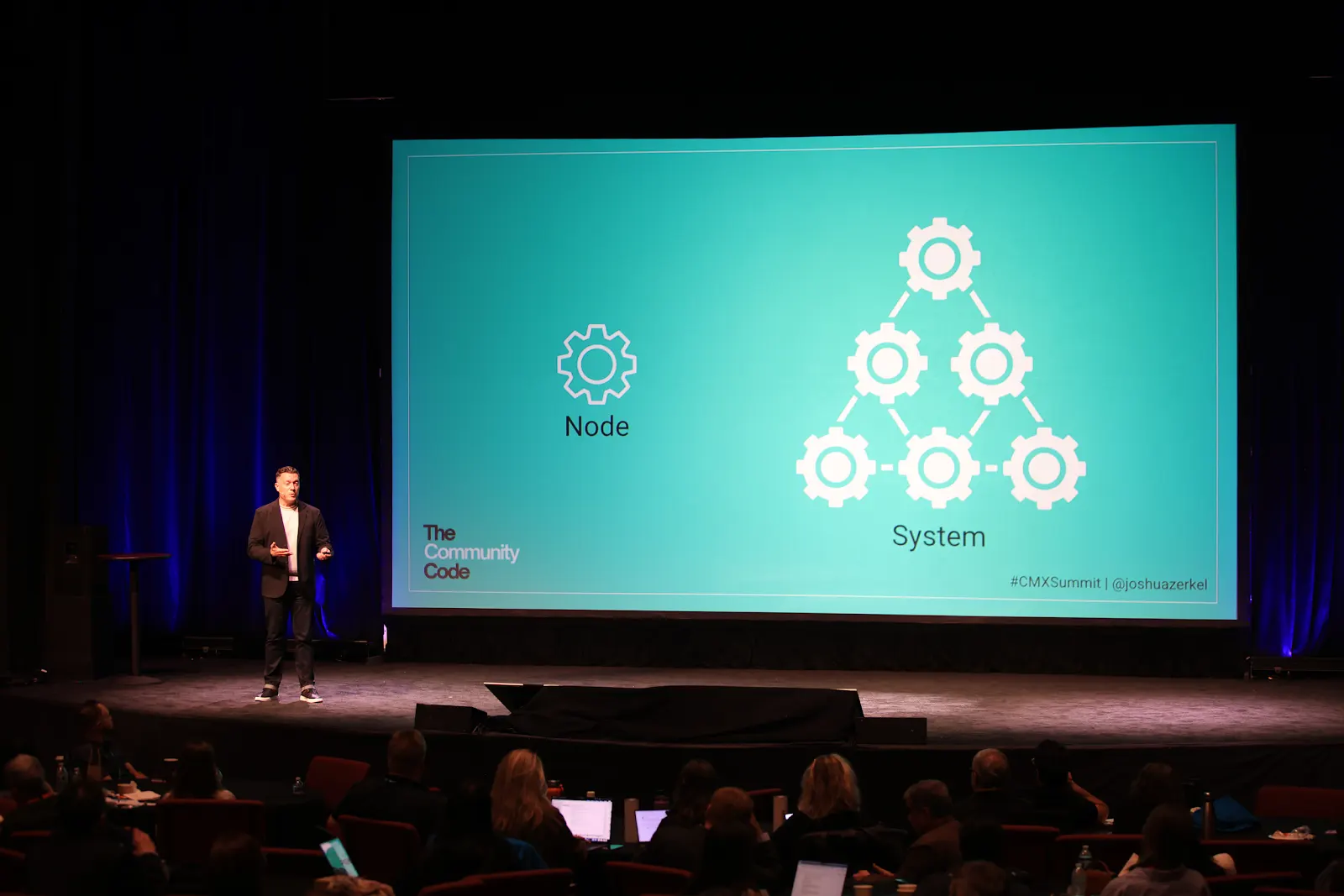
And, naturally, I'd be remiss not to mention my own book, The Community Code. I wrote it to share practical lessons from building and leading community programs, including how to connect community to business outcomes and build programs that can be sustained over time.
My broader recommendation is to read widely, talk to practitioners, and look beyond resources specifically labeled as community. Some of the most useful ideas come from product management, organizational design, education, and behavioral science. Community building draws on all of them.
💬 Let’s connect on LinkedIn — I’d love to hear from fellow community builders.
💡 The People Behind the Programs is a blog series that shines a light on the community professionals powering impactful programs around the world. Want to share your story or nominate someone doing incredible community work? Submit your spotlight here.
Are you passionate about building communities?
Join the movement, start a CMX Connect chapter in your city or virtually and become a local leader in the global community industry. 👉 Apply to become a chapter director