Welcome to The People Behind the Programs, a CMX blog series celebrating the people who bring communities to life around the world.
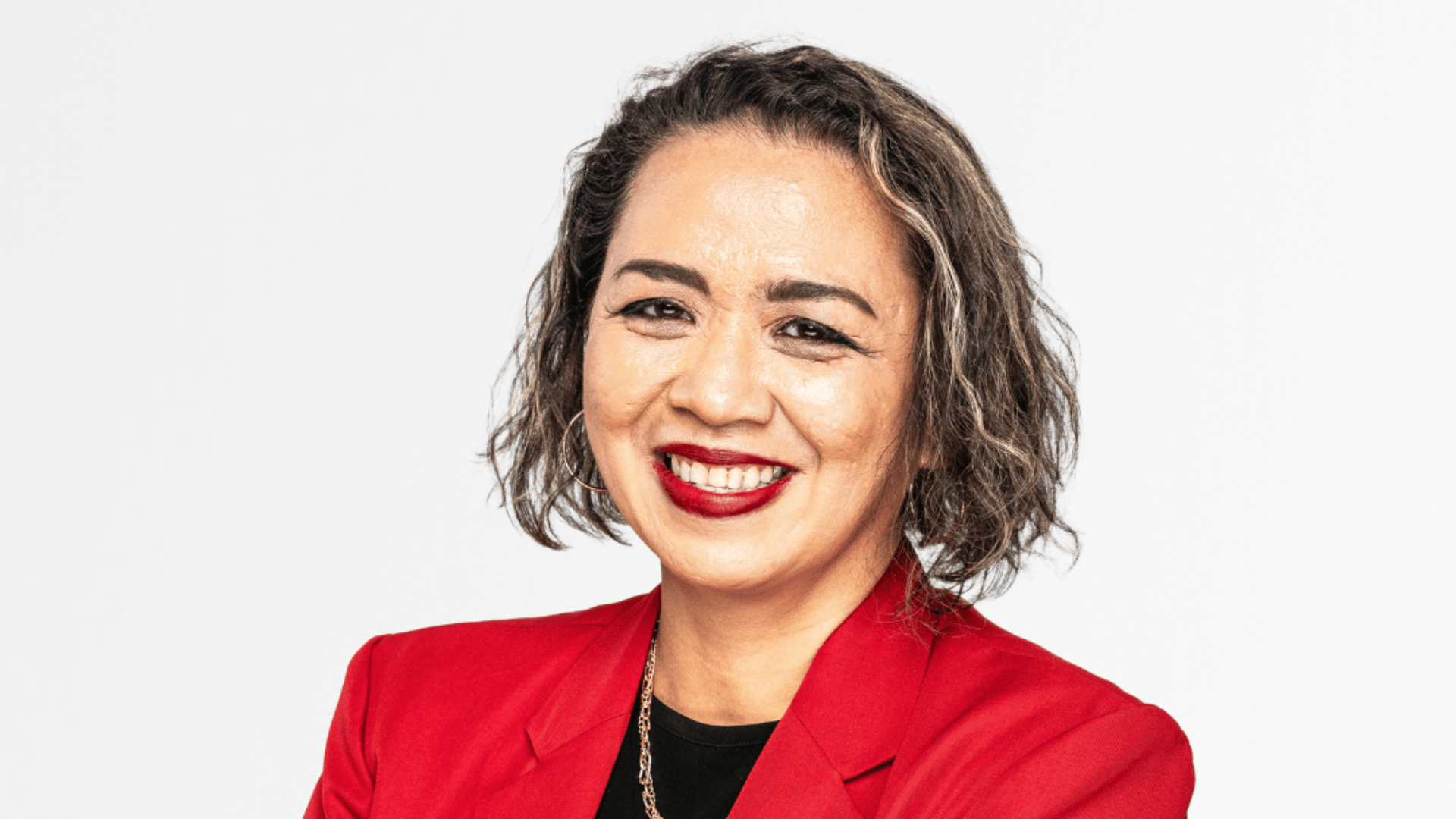
Today, we meet Maureen Hitipeuw, Founder and Community Builder at Single Moms Indonesia, based in Jakarta, Indonesia. Maureen's dedication to creating a supportive environment for single mothers has made a significant impact across the nation.
From her beginnings in public relations and communications to her leadership in community building, Maureen's journey offers a personal look at the work behind thriving communities. Let's hear her story in her own words.
How It Started
My journey into community building began in 2014, when I founded Single Moms Indonesia (SMI), a support community for Indonesian single mothers. What started as an effort to create a safe space for women navigating single parenthood grew into a nationwide community connecting thousands of single mothers across Indonesia and overseas.
Building SMI taught me that community is more than bringing people together online. It is about creating belonging, building trust, listening to members, and designing programs that address their real needs. Over the years, I developed experience in community strategy, engagement, partnerships, events, and program development.
My professional background in public relations, communications, and hospitality also shaped my approach to relationship-building and stakeholder engagement. I became a Meta Certified Community Manager and continued developing my expertise through formal learning and hands-on experience.

A Day in the Life
As the founder of Single Moms Indonesia (SMI), I lead a mission-driven community that supports Indonesian single mothers through connection, shared experiences, and access to resources. My responsibilities include developing community programs, creating engagement opportunities, managing communications across digital platforms, building partnerships, coordinating events, and working with volunteers to ensure our initiatives continue to serve members’ needs.
Alongside this, I work in community management for a social-impact startup, where my responsibilities include social media coordination, stakeholder engagement, charity partnerships, and supporting initiatives that connect organizations with opportunities to grow their reach and impact.
My typical day varies depending on the priorities at hand. It might involve planning content, responding to community needs, coordinating with volunteers or partners, developing programs, organizing events, or working on strategies to strengthen engagement. A significant part of my role is balancing the bigger picture with the operational details that keep a community running.
After more than a decade of building SMI, I’ve learned that effective community management requires both strategy and empathy. Behind every engagement metric is a person looking for connection, support, or a sense of belonging. That perspective continues to guide how I approach my work.

The Tools that Power My Work
My go-to tools are Facebook and WhatsApp, particularly for building communities in Indonesia. With Single Moms Indonesia, Facebook has been an important space for members to connect, share experiences, ask questions, and support one another. WhatsApp helps us maintain more direct communication, coordinate activities, and keep members informed about programs and events.
I believe the key is not necessarily having the most sophisticated technology, but choosing tools that are accessible and familiar to the people you serve. A community platform only works if members feel comfortable using it and can participate meaningfully.
For planning and execution, I also rely on tools like Canva for content creation and Notion for organizing projects, documentation, and workflows. Together, these tools help me balance relationship-building with the operational work behind a thriving community.
Ultimately, tools should support human connection, not replace it.
Advice for Newcomers
My biggest advice is to listen before you build. A strong community starts with understanding what people need, why they come together, and what makes them feel safe enough to participate. Don't focus too much on numbers or engagement metrics at the beginning. Focus on building trust, because trust is what makes a community sustainable.
I also wish I had understood earlier that community building is not a one-person job. You can have a clear vision and a strong sense of purpose, but you need systems, boundaries, and the right people around you to make it sustainable. Community professionals often wear many hats, and it's easy to burn out when you feel responsible for everything.
Learn to connect community goals with organizational goals, communicate your impact, and advocate for the resources your community needs. Empathy is essential, but so are strategy, data, and the ability to show the value of your work.
Most importantly, remember that meaningful community building takes time. You won't always see immediate results, and not every initiative will work. Keep listening, keep learning, and don't be afraid to adapt.
You don't need to have all the answers to be a good community builder. You need to care about people, stay curious, and be willing to do the work consistently. Sometimes, the smallest interaction can make the biggest difference in someone's life.

Resources I Suggest
I highly recommend Building Brand Communities by Carrie Melissa Jones and Charles Vogl. It offers practical insights into building meaningful communities around shared values, trust, and a sense of belonging.
Other great reads include:
- The Art of Community by Charles Vogl — a valuable guide to creating belonging, establishing shared values, and building meaningful connections.
- Get Together by Bailey Richardson, Kevin Huynh, and Kai Elmer Sotto — practical advice on bringing people together and growing communities from the ground up.
- Buzzing Communities by Richard Millington — a useful resource for understanding community strategy, engagement, and sustainable growth.
- The Business of Belonging by David Spinks — particularly helpful for connecting community-building efforts with organizational goals and demonstrating their value.
My advice is to combine reading with hands-on experience. Every community is different, and the best lessons often come from listening to members, experimenting with new approaches, and learning from what works and what doesn't.
💬 Let’s connect on LinkedIn — I’d love to hear from fellow community builders.
💡 The People Behind the Programs is a blog series that shines a light on the community professionals powering impactful programs around the world. Want to share your story or nominate someone doing incredible community work? Submit your spotlight here.
Are you passionate about building communities?
Join the movement, start a CMX Connect chapter in your city or virtually and become a local leader in the global community industry. 👉 Apply to become a chapter director